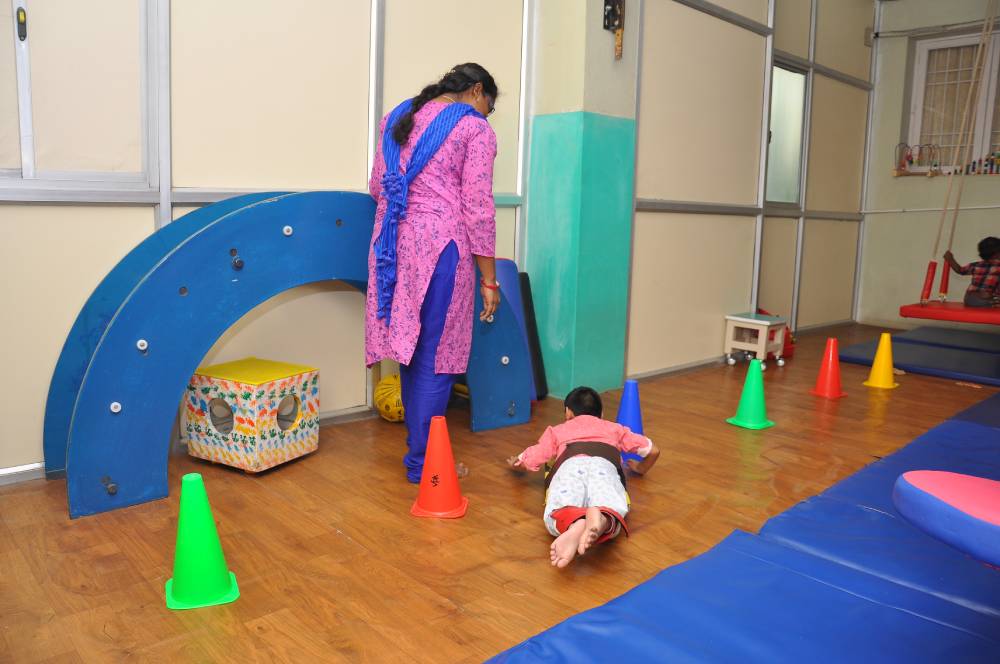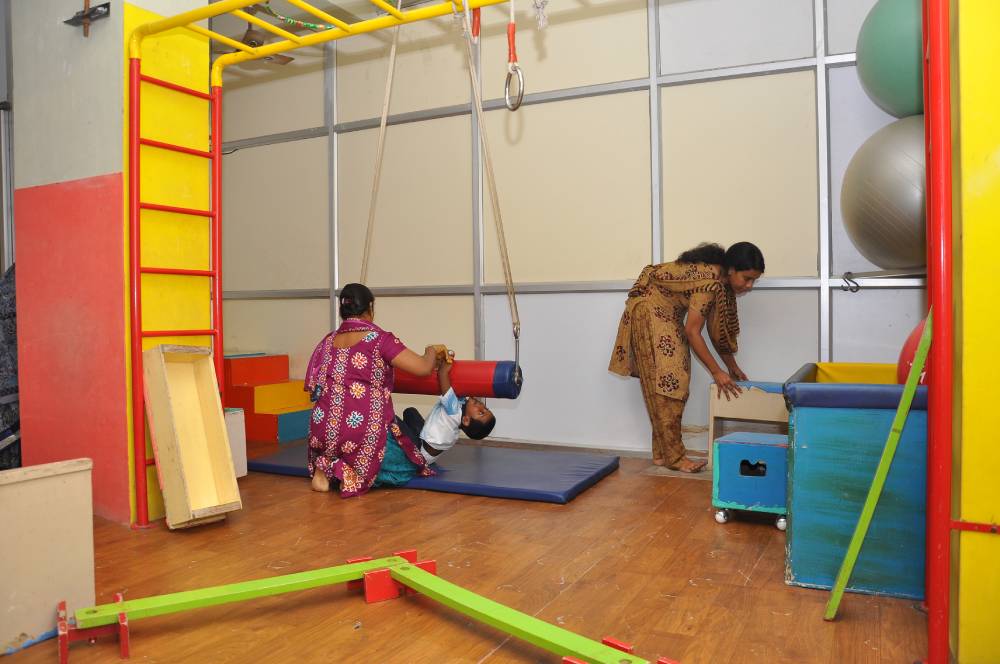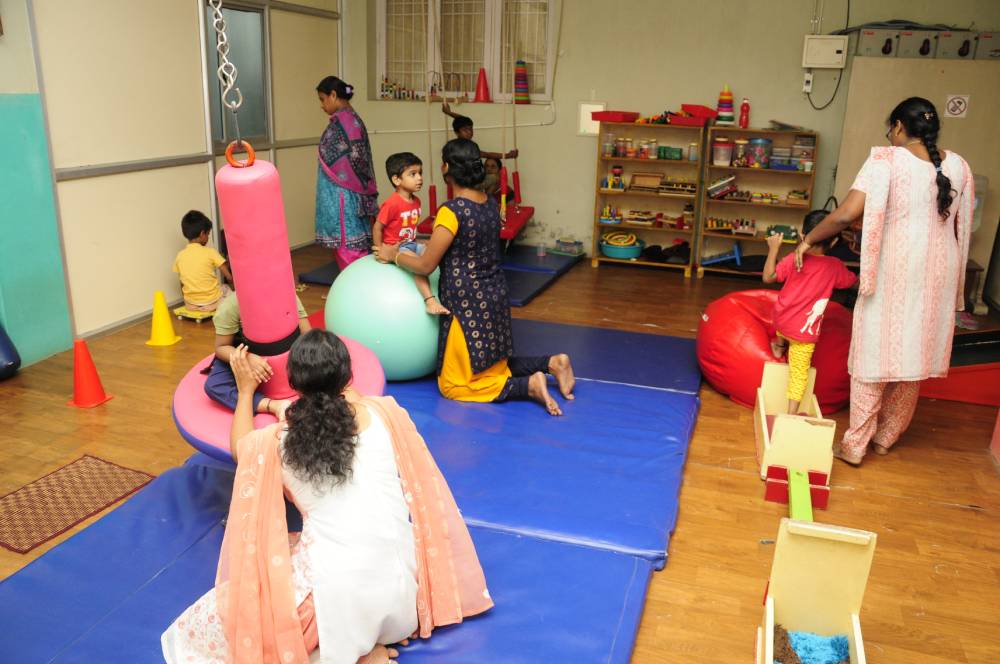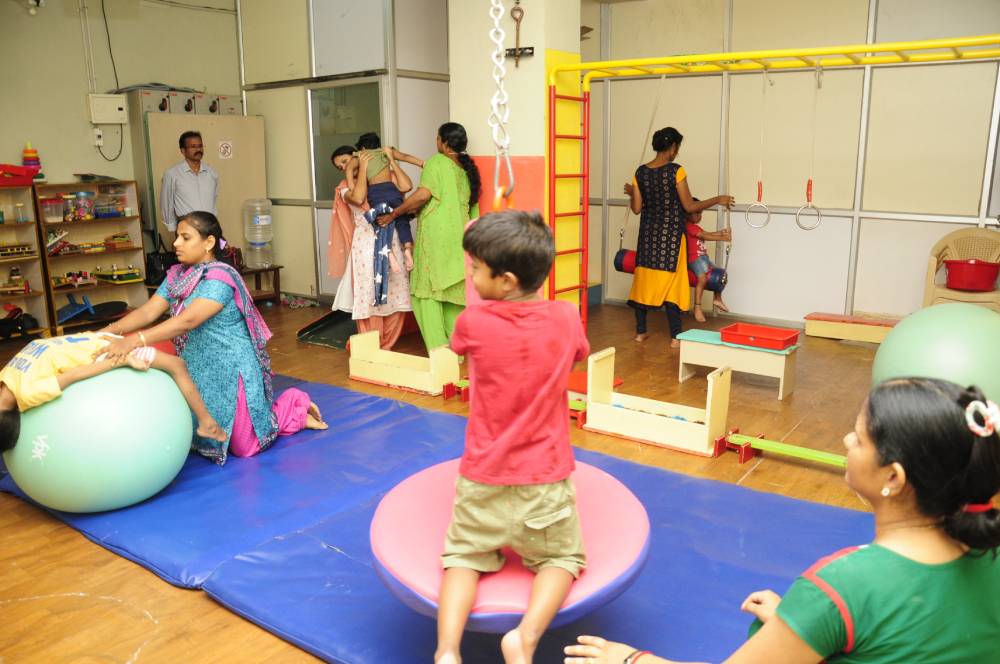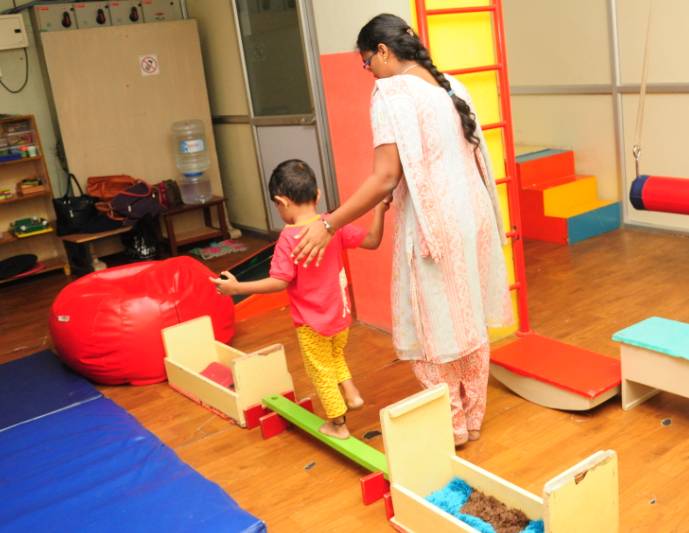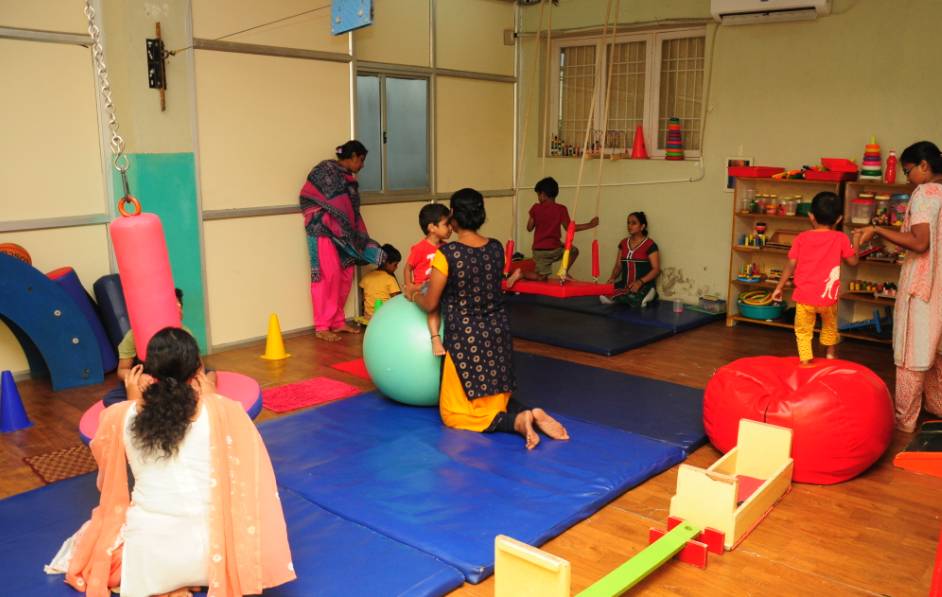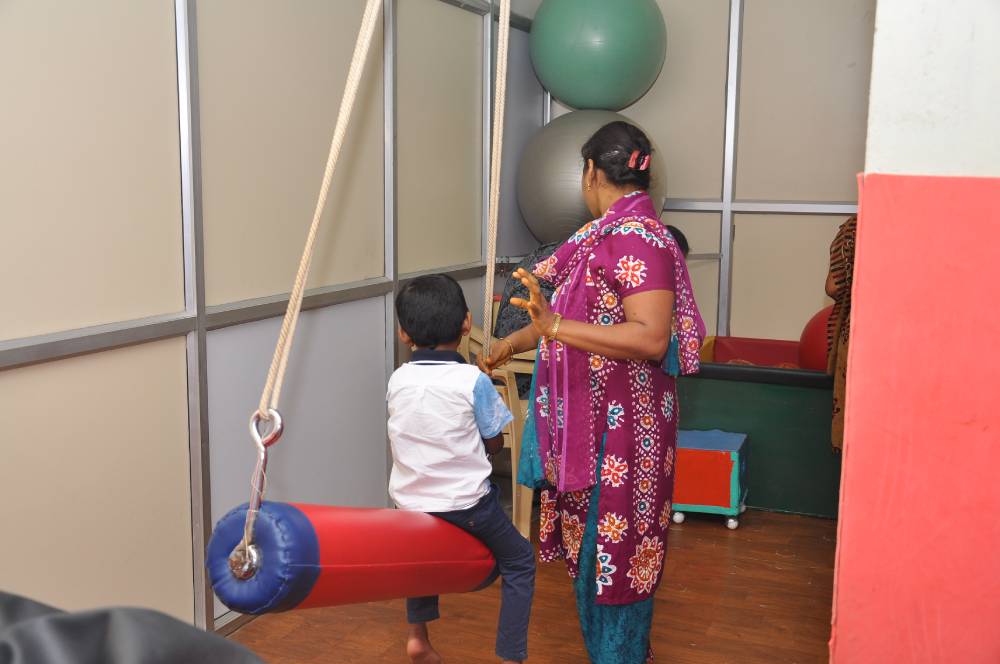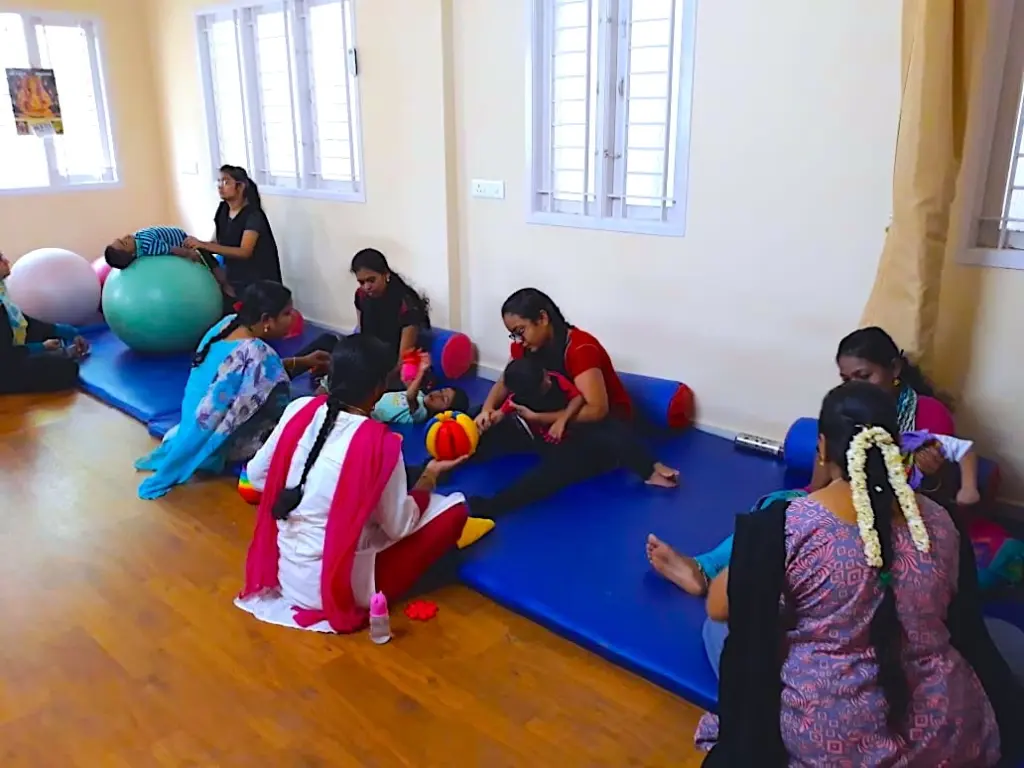
Comprehensive evaluation of developmental milestones, neurological and musculoskeletal systems, and motor skills using standardized tools like the Gross Motor Function Measure (GMFM) and Alberta Infant Motor Scale (AIMS).
Movement analysis to detect abnormalities in posture, coordination, and balance.
Collection of detailed medical, family, and developmental history to understand the child’s overall condition and needs.
Measurement of muscle strength and tone alongside observation of functional abilities in various positions.
Tailored therapy plans based on assessment findings, with goal-oriented, evidence-based interventions.
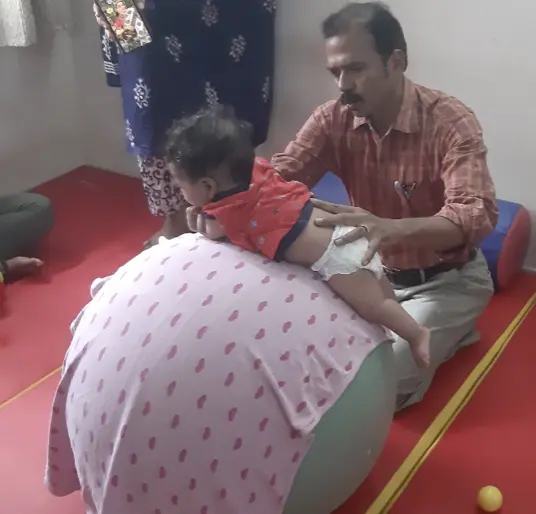
Emphasis on improving functional abilities such as motor control, balance, posture, and mobility to enhance the child’s independence and quality of life.
Involvement of parents and caregivers in therapy to support exercises and activities at home.
Regular monitoring and reassessment to track progress and adjust treatment plans accordingly.
Pediatric physiotherapy is a dynamic and individualized process that supports children in achieving optimal physical development and overcoming impairments through targeted, evidence-based methods combined with family-centered care.
Book a same-day or future appointment in minutes. Because healthy kids start with timely, compassionate care.